

Cultivated meat, produced from animal cells without slaughter, is becoming more accessible globally. By 2026, several countries have begun offering tasting events, restaurant experiences, and online waitlists. Here's a quick summary of where and how you can try it:
- United States: Available in select restaurants and retail stores like Berkeley Bowl West. Companies such as Mission Barns, Wildtype, and Upside Foods host tasting events and offer cultivated chicken and salmon.
- India: Tasting events are led by startups like Biokraft Foods, showcasing cultivated chicken dishes. The Horeca sector is targeted for initial launches.
- UK and Europe: Regulatory approval is pending across the region, but the Cultivated Meat Shop provides educational resources and waitlists for early access.
- Singapore and Israel: Fully approved, with retail and restaurant availability. Singapore even offers quail and hybrid products.
Production costs have dropped significantly, making cultivated meat more viable. While the US and Singapore lead in availability, regions like the UK and Europe are focusing on consumer education and regulatory progress.
Quick Comparison
| Region | Availability | Key Highlights |
|---|---|---|
| United States | Restaurants, retail, and tasting events | Cultivated chicken and salmon; partnerships with chefs and producers. |
| India | Tasting events | Focus on cultivated chicken; plans to expand to restaurants and catering. |
| UK & Europe | Online waitlists | Educational platform; products pending regulatory approval. |
| Singapore | Retail and restaurants | Offers cultivated quail and hybrid products. |
| Israel | Restaurants (soon retail) | Rapid advancements in production; focus on beef and seafood. |
Stay informed and try cultivated meat early through these options based on your location.
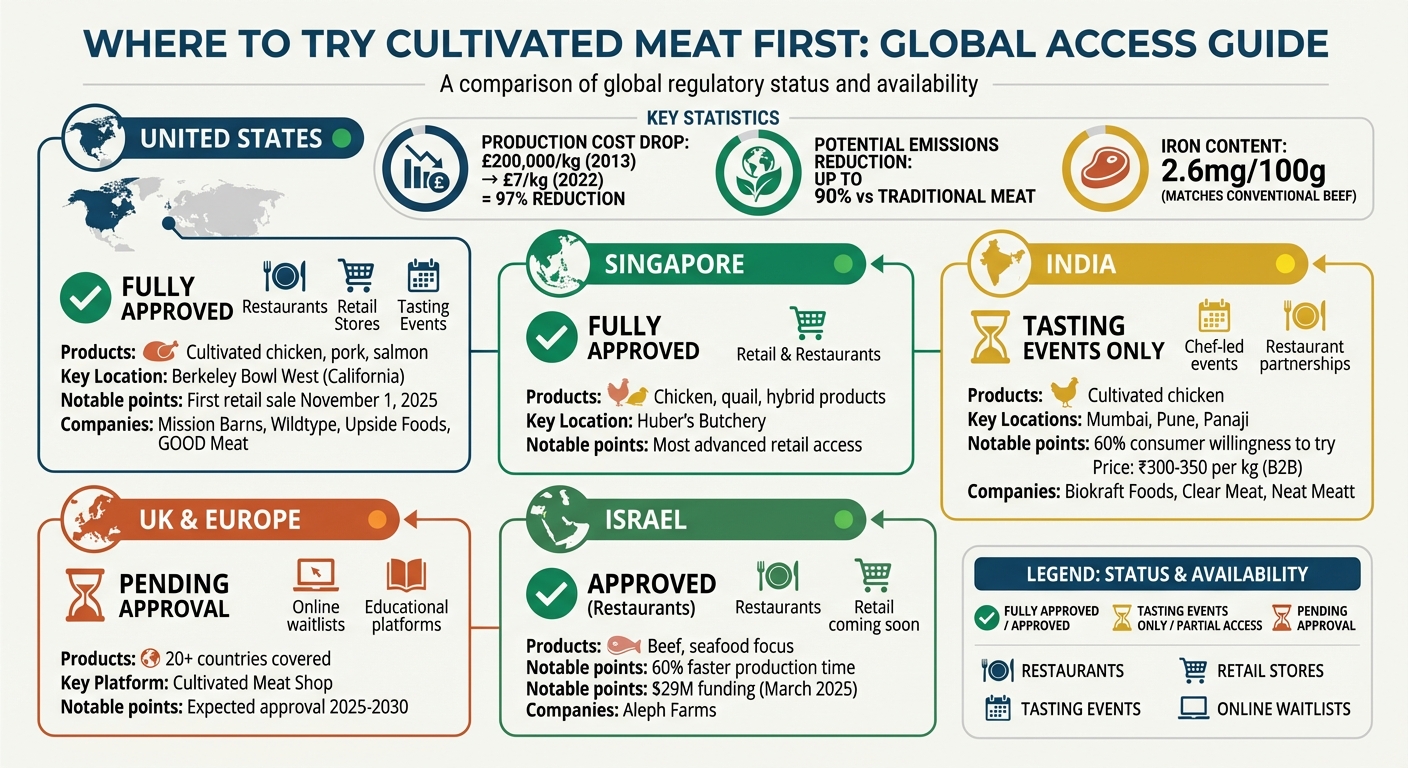
Global Cultivated Meat Availability by Region 2025-2026
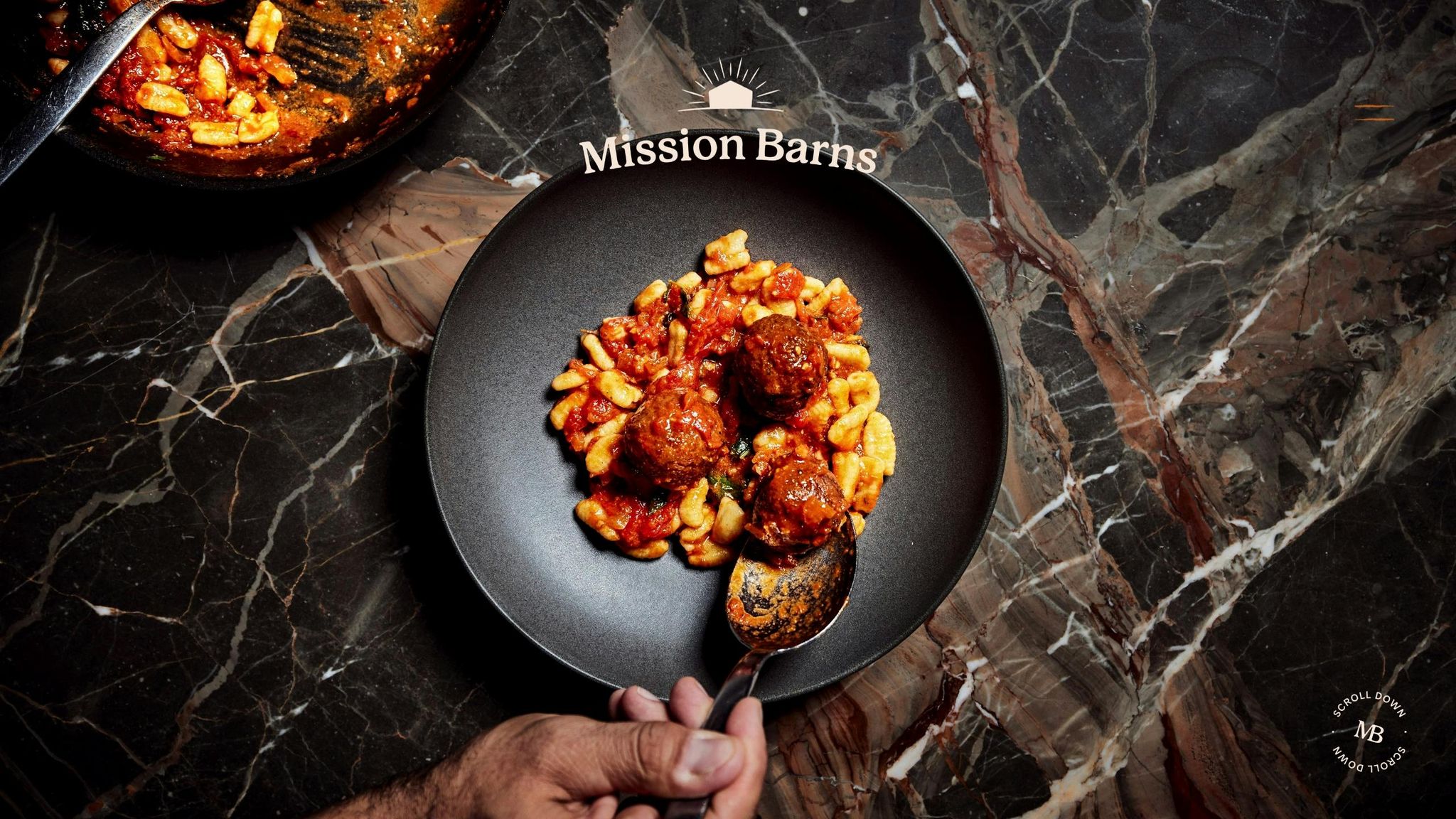
Mission Barns Launching Cultivated Fat Soon
sbb-itb-c323ed3
United States: Where to Try Cultivated Meat
If you're in the San Francisco Bay Area, you're in luck - there are several ways to experience cultivated meat right now [3][4].
On 1 November 2025, Mission Barns made history by launching the first-ever retail sale of cultivated meat in the U.S. at Berkeley Bowl West in California. They’ve also introduced a monthly tasting event called "Bites from the Barn", running through February 2026 [3][5].
Wildtype followed suit, receiving FDA approval in May 2025 to sell cultivated coho salmon, now featured on the menus of select restaurants across the U.S. [6]. Meanwhile, companies like Upside Foods and GOOD Meat have also gained regulatory clearance to serve their cultivated meat products [6].
For those seeking exclusive experiences, several leading producers offer unique opportunities to try these cutting-edge creations.
Upside Foods' Cultivated Chicken Experiences
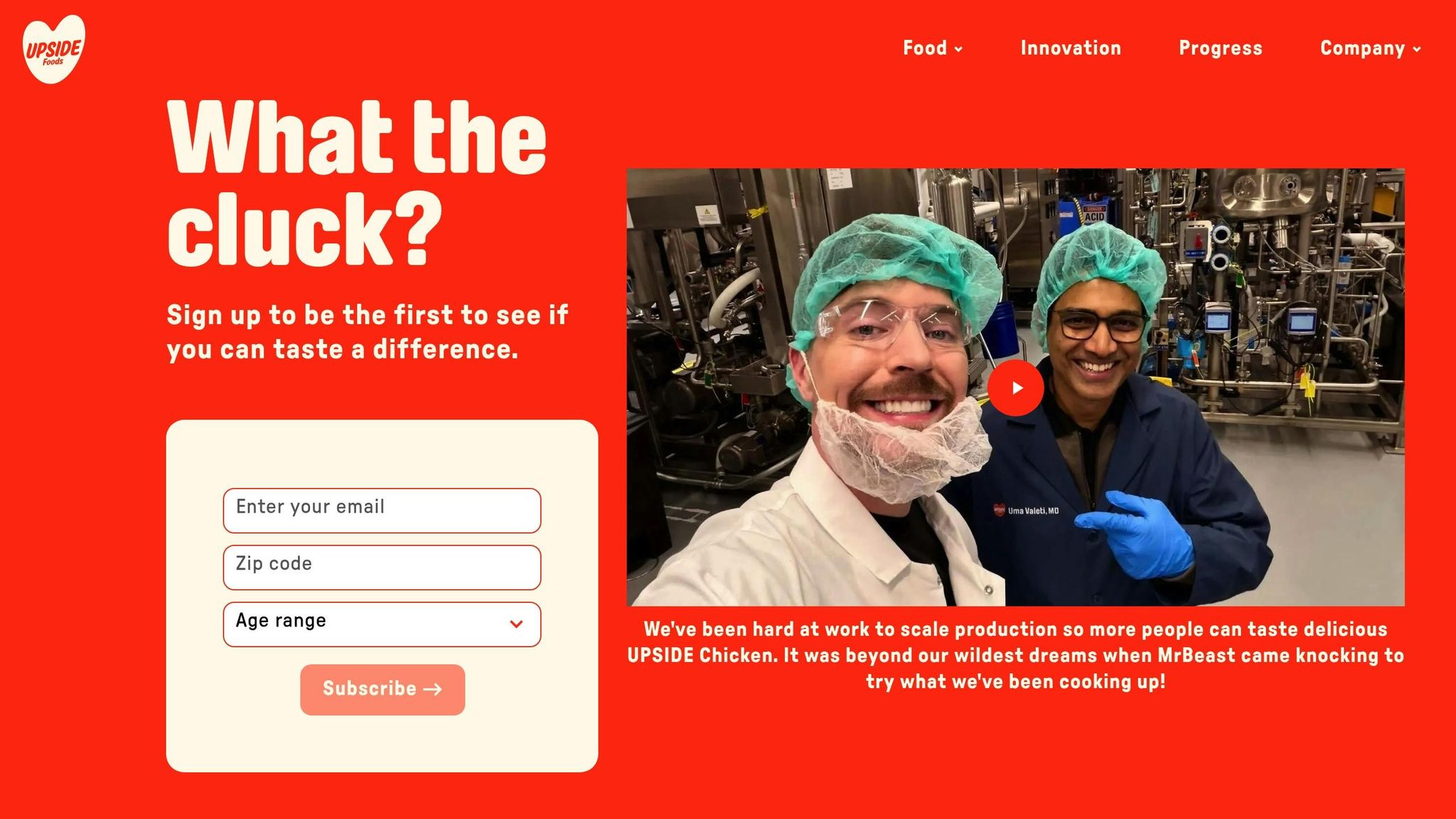
Upside Foods provides a chance to sample their cultivated chicken through a waitlist for guided tours of their "EPIC" production facility [7]. To elevate the experience, they’ve teamed up with acclaimed chefs like Dominique Crenn, who bring these products to life in fine dining settings [7]. These partnerships allow food enthusiasts to enjoy cultivated meat in a sophisticated and memorable way. You can also stay updated on future launches as more products reach the market.
India: Cultivated Meat Sampling Opportunities
India's cultivated meat industry is gaining momentum, with Biokraft Foods at the forefront, introducing its products through chef-led events and collaborations with restaurants. This Mumbai-based startup is showcasing the potential of cultivated chicken through tasting events designed to highlight its versatility in Indian and global cuisines.
In December 2024, Biokraft Foods hosted India's first-ever public tasting event in Mumbai. Over 30 industry leaders and sustainability advocates sampled cultivated chicken prepared as slider burgers and chilli chicken, a beloved Indo-Chinese dish [8][9]. Reflecting on the event, founder Kamalnayan Tibrewal shared:
"The overwhelmingly positive feedback we received fuels our commitment to redefine how meat is produced." [8]
Biokraft Foods' Tasting Events in Mumbai

Biokraft Foods has been expanding its outreach through innovative events and collaborations. In August 2025, the company organised "The Great Indian Cultivated Chicken Cook-Off" at the DY Patil School of Hospitality & Tourism Studies in Navi Mumbai. This competition saw ten culinary students create appetisers using cultivated chicken. The winning dish, "Masalon ka Safar", earned Issa Patel from Patkar-Varde College a ₹40,000 prize [10]. The event highlighted the adaptability of cultivated chicken in both traditional Indian dishes and modern global recipes.
Tibrewal underscored the importance of these partnerships:
"Chefs, hotels and restaurants are the best partners to introduce cultivated meat to consumers because they shape taste experiences and build trust." [10]
Looking ahead, Biokraft plans to collaborate with 10 restaurants across Mumbai, Pune, and Panaji throughout 2025. The company is targeting the Horeca sector (hotels, restaurants, and catering) for its initial market launch, offering a competitive B2B price of ₹300–350 per kg. This pricing aligns with premium conventional chicken, which typically costs between ₹300–600 per kg [8][11]. These efforts are paving the way for cultivated chicken to become a staple in high-end dining establishments.
Biokraft's success has inspired other Indian startups to follow suit with their own initiatives.
Clear Meat and Neat Meatt Early Launches
Other players in India's cultivated meat industry are stepping up. Clear Meat is collaborating with restaurant and FMCG partners to introduce cultivated chicken tastings, while New Delhi-based Neat Meatt is focusing on seafood. Neat Meatt has teamed up with the ICAR-Central Marine Fisheries Research Institute to develop cultivated trout and other marine species, broadening the scope of India's cultivated meat sector beyond poultry [8].
Consumer interest is strong, with 60% of Indians willing to try cultivated meat and 46% ready to pay a 10–30% premium for it [8][11]. As regulatory frameworks evolve through the FSSAI and the Department of Biotechnology, these startups are positioning themselves to meet the rising demand for sustainable protein options.
UK and Europe: Cultivated Meat Shop
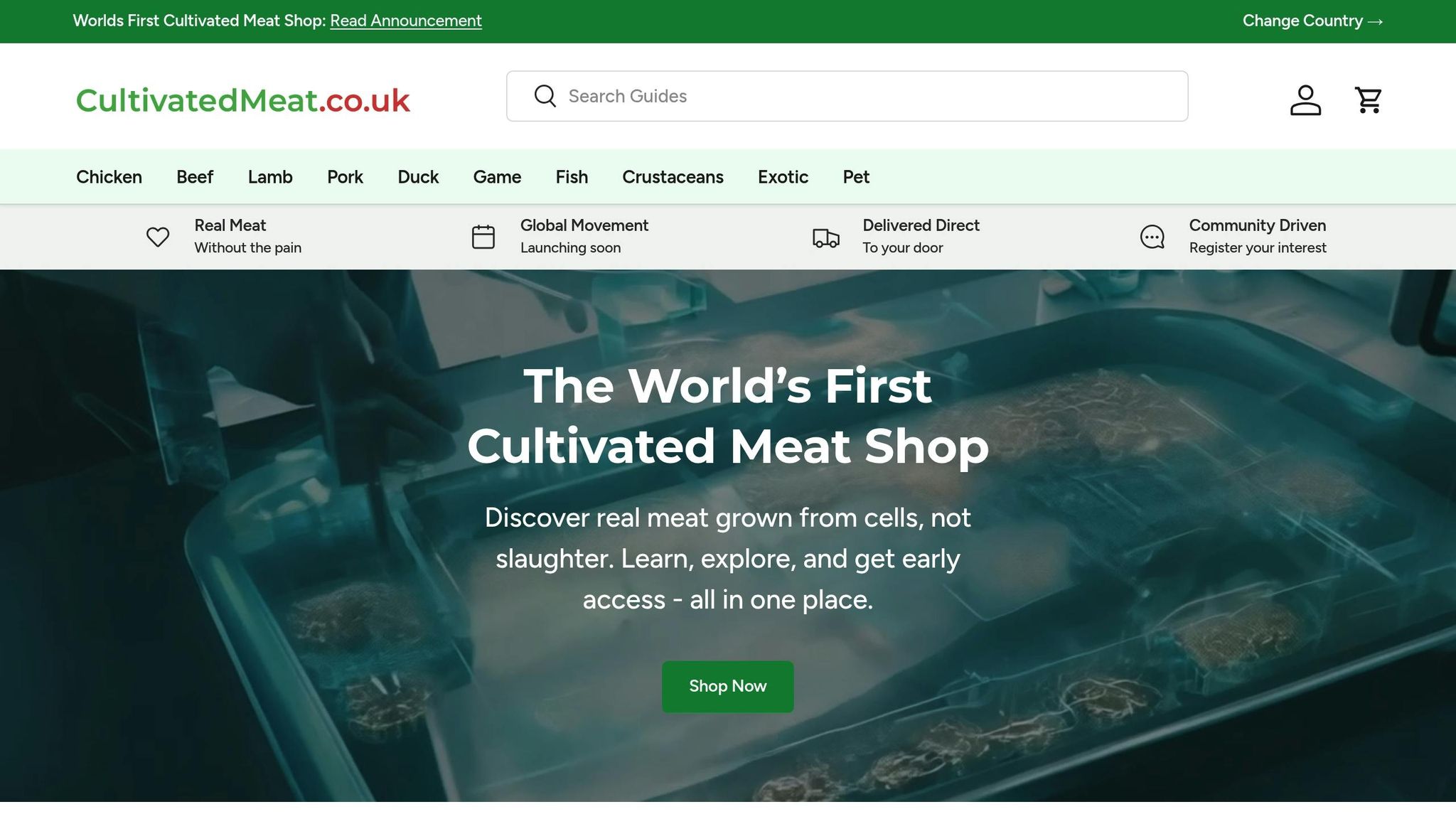
While trial events roll out in various regions, the UK and Europe are taking a different route with the Cultivated Meat Shop - an online platform designed to educate and engage consumers. Launched on 12 March 2025, this platform is the first of its kind globally, offering a consumer-focused hub dedicated to cultivated meat. Instead of public tastings, early access in these regions is centred around education and waitlist sign-ups [12].
Operating across more than 20 European countries, the platform includes tailored sites for Germany, France, Italy, Spain, and the Netherlands, each adjusted to comply with local regulations [13]. With regulatory frameworks still evolving in the EU and UK, the Cultivated Meat Shop aims to be a reliable resource for those curious about this new food category, providing insights and guidance before these products hit the market.
Waitlist Sign-Ups and Product Previews
The platform allows users to explore an array of cultivated meat categories, from chicken and beef to more exotic options like game and crustaceans. Each category page dives into the science behind the products, explaining their benefits and what consumers can expect when these items become available [1][12].
Shoppers can secure early access by signing up with their email on specific product pages. This waitlist system ensures that once regulatory approval is granted in their region, users will be among the first notified, giving them priority for pre-orders [12]. Additionally, a Timeline Checker keeps users updated on regional availability and production progress, building excitement while keeping consumers informed. By offering previews and updates, the platform not only generates interest but also empowers shoppers with the knowledge they need for future purchases.
Educational Content on Cultivated Meat Benefits
The insights section of the Cultivated Meat Shop is packed with science-based articles covering sustainability, health, and practical tips for incorporating cultivated meat into everyday meals. For example, it highlights how cultivated meat could reduce greenhouse gas emissions by up to 90% compared to traditional meat production [1][12].
Health-focused content breaks down nutritional benefits, showing how cultivated meat matches the iron content of conventional beef (2.6mg/100g) while offering options for added nutrients like vitamin B12 - all without antibiotics or risks from slaughter-related pathogens. For UK consumers, the platform includes recipe ideas such as cultivated chicken curry and beef for Sunday roasts, complete with Celsius cooking temperatures and metric portion sizes (e.g., 200g packs) [1][12].
To help shoppers feel confident when products become available, the platform also provides tips for assessing freshness, such as recognising unusual odours or changes in texture. These educational resources, combined with the waitlist and product previews, ensure that consumers are well-equipped and excited for the arrival of cultivated meat [1].
Comparison of Cultivated Meat Trial Opportunities
The availability of cultivated meat varies significantly across regions, with Singapore and the United States leading the charge. Both countries have granted full regulatory approval for consumer sales. Singapore has moved beyond restaurant tastings, offering cultivated meat in retail outlets like Huber's Butchery. Meanwhile, in the U.S., high-end restaurants in cities such as San Francisco and Washington, D.C., are the primary venues for these offerings [14][15].
Chicken is currently the most widely available type of cultivated meat, having received the earliest regulatory approvals in both markets. However, the industry is branching out. Singapore now offers cultivated quail, and companies are focusing on premium options like Bluefin tuna and beef to justify the higher production costs. Hybrid products are also entering the market. These combine cultivated animal cells (ranging from 3% to 50%) with plant-based proteins - a practical strategy to manage costs and scale production effectively [14][15][17]. This variety highlights the differing approaches to market entry across regions.
The UK and Europe are taking a more cautious route. Instead of public tastings, access is primarily through online educational platforms spanning over 20 European countries. These platforms allow consumers to explore content and join waitlists as regulatory frameworks continue to develop. First approvals in these regions are anticipated between 2025 and 2030, according to the cultivated meat availability timeline [18].
Israel is positioning itself for rapid advancements in the sector. Companies like Aleph Farms are focusing on technological breakthroughs to accelerate production. In March 2025, Aleph Farms secured US$29 million in funding and unveiled a "1.2" technological breakthrough, which eliminates the need for a second bioreactor and shortens differentiation time by 60%. The company plans to launch in Israel within six months, followed by expansions into Europe and Asia [2].
However, the progress is not without challenges. Political resistance has emerged, with Florida and Alabama banning the production and sale of cultivated meat in 2024. Despite this, production costs have plummeted - from around £200,000 per kilogram in 2013 to approximately £7 per kilogram by 2022 - making commercial viability increasingly attainable [15][16].
Conclusion
Access to cultivated meat is unfolding differently across the globe. In the United States, some restaurants are already serving cultivated chicken and pork, while in India, companies like Biokraft Foods are hosting tasting events in Mumbai. Meanwhile, in the UK and Europe, where regulatory approvals are still in progress, platforms like Cultivated Meat Shop are offering waitlist sign-ups in over 20 countries, keeping eager consumers informed about product launches.
Behind the scenes, the industry is advancing at a rapid pace. For instance, Good Meat is constructing massive 13,000-tonne bioreactors, and Aleph Farms has slashed production costs by 97% since 2020. These milestones point towards 2026 as a key year for large-scale pilot projects and broader consumer access, marking a shift from limited trials to a more mainstream presence.
You can explore cultivated meat early by visiting participating US restaurants, attending sampling events in India, or signing up on the Cultivated Meat Shop waitlist. This way, you’ll stay informed, gain access to educational resources, including comprehensive guides, and be among the first to try these products when they become available in your area.
FAQs
How can I find cultivated meat near me?
To get your hands on cultivated meat in your area, start by checking out early access opportunities through platforms like Cultivated Meat Shop. They provide waitlists and keep you updated on availability. While you won’t find cultivated meat widely stocked in UK stores just yet, there have been trials and pilot sales, with more availability likely on the horizon. To stay ahead, sign up for updates, keep an eye on local news, and reach out to forward-thinking food retailers.
What approvals are needed before it’s sold in the UK and Europe?
Selling cultivated meat in the UK and Europe involves navigating strict regulatory processes that prioritise safety, accurate labelling, and proper market entry procedures. In the UK, applications for approval are under review, though so far, only pet food has received the green light. Meanwhile, the EU allows public taste tests, which help collect essential data on safety and consumer preferences. These measures are designed to ensure cultivated meat complies with all standards before it becomes available to consumers.
Are hybrid cultivated meat products worth trying first?
Hybrid cultivated meat products combine cultivated meat with traditional meat, offering a stepping stone for those new to the concept. By delivering a taste and texture that feels familiar, these products make it easier for people to try cultivated meat without hesitation. This approach helps consumers ease into the idea, building trust and acceptance for this modern food choice.


